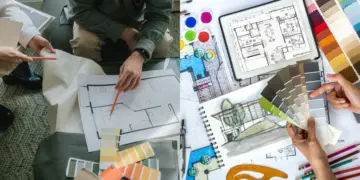
In the meticulously planned world of construction, the relationship between an architect and a contractor is the fundamental axis upon which a project’s success rotates. This collaboration, ideally a symphony of creative vision and practical execution, is, however, fraught with potential for discord. Architect-contractor conflicts are not a matter of if but when. They arise from the inherent complexities of bringing a static design to life in a dynamic, unpredictable environment. Left unresolved, these disputes can lead to crippling delays, catastrophic budget overruns, diminished quality, and a legacy of animosity that stains the entire project.
Understanding the root causes of these conflicts and, more importantly, mastering a toolkit of proven resolution strategies is not just a best practice it is an absolute necessity for profitability, professional reputation, and the sheer joy of creating something remarkable. This definitive guide delves deep into the anatomy of construction disputes and provides a actionable blueprint for navigating them toward a successful and collaborative resolution.
The Inevitable Clash: Why Architects and Contractors Conflict
To effectively resolve conflict, one must first understand its origins. The architect-contractor dynamic is often a classic case of different perspectives, priorities, and professional languages.
A. Divergent Core Missions and Perspectives
The architect’s primary drive is to realize a design vision, uphold aesthetic integrity, and ensure the building meets specified quality and functional standards. They are often focused on the ideal outcome. The contractor, on the other hand, is driven by building that vision efficiently, within budget, and on schedule. Their focus is on the feasible and profitable outcome. This fundamental difference in viewpoint can create friction when the ideal clashes with the practical.
B. The Tyranny of Ambiguous Documentation
Incomplete, unclear, or contradictory plans and specifications are the single greatest catalyst for disputes. When a contractor encounters a gap in the drawings, they must make an assumption. If the architect’s intent was different, that assumption leads to a change order, a potential argument over cost responsibility, and a breakdown in trust.
C. The Unforeseen: Site Conditions and Change Orders
Despite the best-laid plans, unexpected site conditions (e.g., poor soil, hidden obstructions) or changes requested by the client can throw a project into disarray. Disagreements over who bears the risk and cost for these unforeseen issues the owner, architect, or contractor are extremely common.
D. Communication Breakdowns and Silos
Poor communication channels, infrequent updates, and a lack of transparency create an environment where small issues fester into major problems. When teams operate in silos, misinformation spreads, and collaboration ceases.
E. Scheduling and Timeframe Pressures
Delays in material deliveries, bad weather, or workforce shortages can compress the project timeline. The resulting pressure often leads to rushed work, compromises on quality, and a blame game between the contractor’s scheduling and the architect’s timely response to requests for information (RFIs).
The Proactive Blueprint: Preventing Conflict Before It Starts
The most effective conflict resolution strategy is to prevent conflict from arising in the first place. This requires intentional effort during the project’s earliest phases.
A. Cultivate the Right Team: The Importance of Partner Selection
Do not base your selection solely on the lowest bid or the most impressive portfolio. Invest time in a qualifications-based selection process. Look for contractors and architects with proven experience collaborating on similar projects. Check references specifically for their communication and problem-solving skills. A slightly higher bid from a known collaborative partner is often far cheaper than the cost of conflict with a low-bid adversary.
B. The Bedrock of Clarity: Invest in Comprehensive Documentation
Architects must prioritize creating exceptionally detailed and coordinated construction documents. This includes clear, unambiguous drawings, precise specifications, and a thorough scope of work. Investing more time and budget in this pre-construction phase pays exponential dividends by minimizing RFIs and change orders later. Utilizing Building Information Modeling (BIM) can be a game-changer, allowing for clash detection and resolution in the virtual model long before boots hit the ground on the construction site.
C. The Foundational Contract: Defining Roles, Risks, and Responsibilities
The contract is not just a payment document; it is the project’s constitution. It must clearly define:
-
The roles and authority of the architect, contractor, and owner.
-
The procedures for submitting and approving RFIs, submittals, and change orders.
-
The dispute resolution process, including timelines and escalation steps.
-
The allocation of risk for unforeseen conditions.
Standard contracts like those from the American Institute of Architects (AIA) provide excellent frameworks that have been legally tested over time.
D. Establish Robust Communication Protocols from Day One
Implement a formal communication plan at the first project meeting. This should designate:
-
Primary Points of Contact: Who on each team is authorized to make decisions and receive communications?
-
Meeting Rhythms: Schedule consistent weekly coordination meetings with a set agenda.
-
Communication Tools: Utilize a common project management platform (e.g., Procore, PlanGrid, Buildertrend) to ensure all correspondence, documents, and decisions are logged in a single, transparent source of truth accessible to all stakeholders.

The Resolution Toolkit: Navigating Conflict When It Occurs
When a dispute emerges, a structured, calm approach is vital. Escalate through these steps methodically.
A. Direct Dialogue and Informal Negotiation
The first and most crucial step is for the involved parties the project architect and the superintendent or project manager to meet directly. The goal is not to win an argument but to understand the other’s perspective and find a mutually acceptable solution. Use “I” statements and focus on the problem, not the person. For example, “I am concerned that this deviation from the spec could lead to a moisture issue,” is more effective than, “You didn’t follow the plans.”
B. Facilitated Collaboration: Bringing in the Principals
If the field staff cannot resolve the issue, the firm principals or senior executives should step in. Their higher-level perspective and vested interest in the project’s overall success and their firm’s reputation can often break the impasse. A meeting focused on problem-solving, with both principals present, can reaffirm the shared goal of project success.
C. The Intervention of a Neutral Third Party: Mediation
When direct negotiation fails, mediation is a highly effective, cost-efficient next step. A professional mediator, trained in conflict resolution and often with construction industry expertise, facilitates a structured discussion between the parties. The mediator does not impose a decision but helps them explore alternatives and find a voluntary, mutually agreeable solution. Mediation is non-binding and confidential, preserving business relationships.
D. The Binding Decision: Arbitration and Litigation
These are the options of last resort, as they are expensive, time-consuming, and almost always destroy any possibility of a future working relationship.
-
Arbitration: A more formal process where a neutral arbitrator (or panel) hears evidence from both sides and then renders a binding decision. It is typically faster and more private than litigation but offers limited avenues for appeal.
-
Litigation: Taking the dispute to court. This is a public, lengthy, and costly process that puts the decision in the hands of a judge or jury who may have little understanding of construction complexities.
It is critical that the contract stipulates which of these paths (e.g., mediation as a prerequisite to arbitration) must be followed.
Case Study: Resolving a Common Dispute – The Material Substitution
The Conflict: A contractor identifies a specified interior finish that is on a 16-week lead time, which would critically delay the project. They propose a “or-equal” substitution that is available off-the-shelf and 15% cheaper. The architect rejects the substitution, stating it does not meet the aesthetic or performance criteria outlined in the specs. The contractor argues the architect is being unreasonable and threatens a delay claim.
The Path to Resolution:
-
Direct Dialogue: The contractor’s PM provides full cut sheets, samples, and test data for the proposed product to the architect, specifically highlighting how it meets each performance criterion in the spec.
-
Facilitated Meeting: The architect explains that while it meets the technical specs, the color and texture variance is unacceptable for the design vision. They explore alternatives: Can the manufacturer expedite the original material? Is there a third product that satisfies both aesthetics and timeline?
-
Mediation: If no solution is found, a mediator helps them evaluate the true cost of the delay versus the cost of potentially having the owner share in the cost of expediting the original material. The mediator helps them move from positional bargaining (“I must have this specific product” vs. “I must avoid delay”) to interest-based negotiation (“We all have an interest in a timely, beautiful, and on-budget project”).
-
Outcome: They agree on a compromise: the owner shares a portion of the expediting fee to get the original material on time, avoiding the delay and preserving the design intent. The contractor avoids a costly delay, and the relationship remains intact.

Embracing a Culture of Collaboration
Ultimately, moving from an adversarial model to a collaborative project delivery model is the most powerful way to minimize conflict. Methods like Integrated Project Delivery (IPD) and even collaborative forms of Design-Build contractually align the goals of the owner, architect, and contractor. They often share risk and reward through financial incentives based on the project’s overall success (e.g., completing under budget). This creates a natural environment for problem-solving as a unified team, rather than as separate entities protecting their own interests.
Conclusion: Conflict as a Catalyst for Improvement
Disagreements in construction are inevitable, but destructive conflict is not. By proactively selecting the right partners, investing in crystal-clear documentation, and establishing strong communication and contractual frameworks, teams can create a foundation resilient enough to withstand pressure. When disputes do arise, addressing them through a structured, respectful escalation process from direct negotiation to mediation can transform a potential project derailment into an opportunity for innovative problem-solving. The goal is not to eliminate all disagreement but to manage it constructively, preserving not only the project’s budget and schedule but also the professional relationships that are the lifeblood of the industry.