The architectural landscape is in a constant state of flux, perpetually reshaped by technological breakthroughs, evolving societal demands, and pressing global imperatives. For professionals, enthusiasts, and stakeholders within this dynamic field, staying informed is not merely beneficial it is essential for relevance, innovation, and success. This comprehensive industry news update delves deep into the most transformative trends, groundbreaking technologies, and pivotal shifts defining the future of architecture today. We will explore everything from the digital revolution and sustainable mandates to the changing nature of design itself, providing you with an in-depth analysis of where the industry is headed.
A. The Digital Transformation: Revolutionizing Design and Execution
The most profound change in modern architecture is the wholesale adoption of digital technologies. This shift moves far beyond mere computer-aided design; it represents a fundamental rethinking of how buildings are conceived, created, and maintained.
A.1. Building Information Modeling (BIM): The Collaborative Backbone
BIM has evolved from a sophisticated software option into the industry’s indispensable collaborative framework. Unlike traditional CAD, which produces simple lines and shapes, BIM creates intelligent, data-rich 3D models that encompass the entire lifecycle of a building from initial concept and construction to facilities management and eventual demolition.
-
Enhanced Collaboration: Architects, engineers, contractors, and clients can all interact with a single, shared model. This drastically reduces errors, clashes, and costly change orders during construction, as conflicts between systems (e.g., plumbing running through a steel beam) are identified and resolved in the virtual model long before ground is broken.
-
Data-Driven Facilities Management: The power of BIM extends long after the architects have left the site. Building owners are provided with a comprehensive digital twin containing every detail about the structure: product data for fixtures, warranty information, maintenance schedules, and energy performance metrics. This allows for predictive maintenance and incredibly efficient long-term management.
-
Regulatory Push: Governments worldwide, including the UK and several European nations, are mandating BIM for publicly funded projects, recognizing its value in saving public funds and ensuring higher quality outcomes.
A.2. Generative Design: The AI Co-Pilot
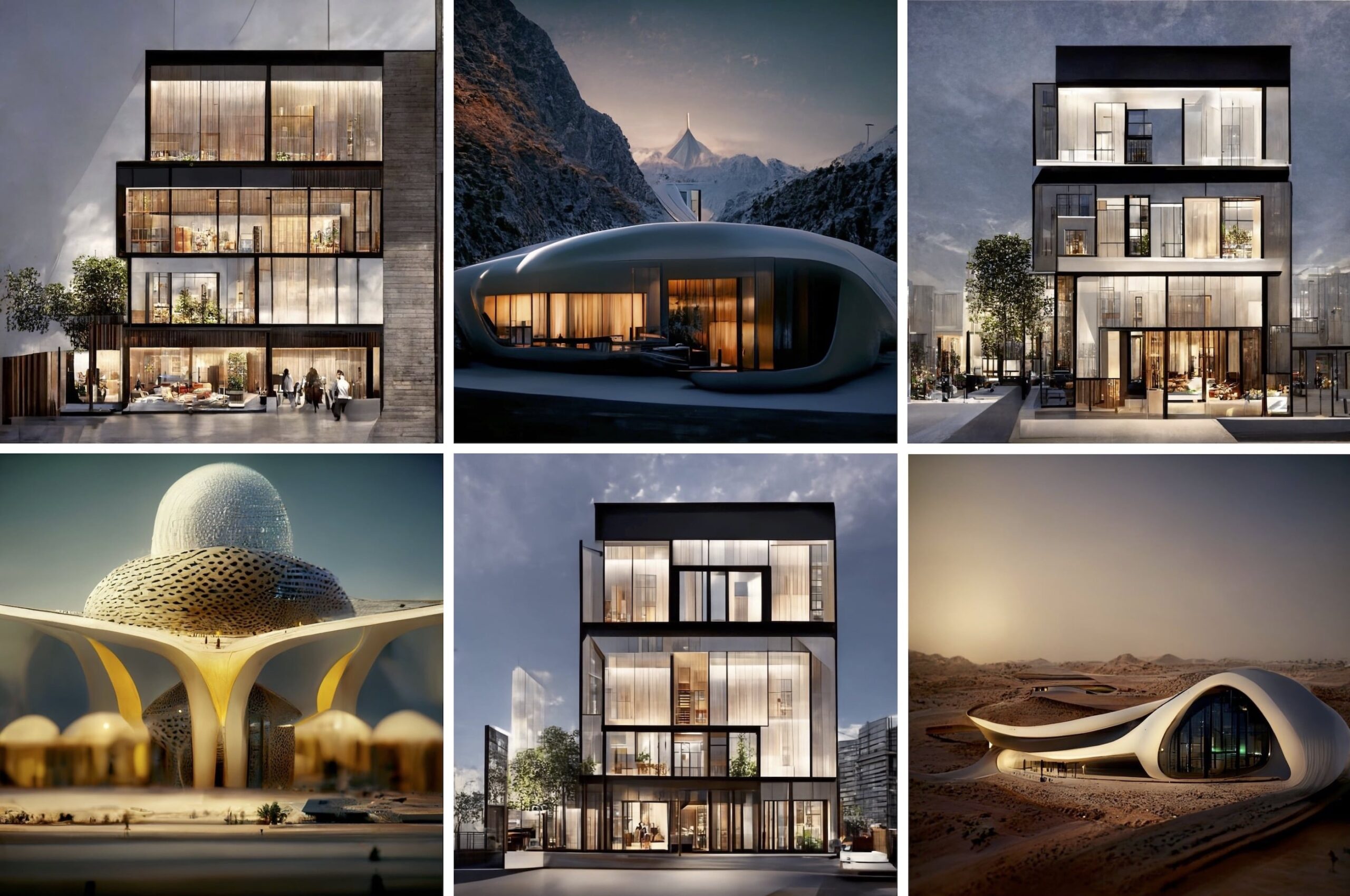
Generative design is where artificial intelligence meets architecture. Architects input design goals and parameters such as site conditions, spatial requirements, material constraints, budget, and performance goals (e.g., maximize natural light, minimize energy consumption). The AI algorithm then explores thousands, or even millions, of possible design permutations, generating options a human might never conceive.
-
Optimizing for Performance and Sustainability: This technology is invaluable for creating highly efficient structures. It can generate complex organic forms that use the absolute minimum material necessary to achieve maximum structural integrity, reducing both cost and carbon footprint.
-
Augmenting Human Creativity: Rather than replacing architects, generative design acts as a powerful tool that frees them from tedious calculations. It allows designers to focus on high-level creative and strategic decisions, choosing and refining the most promising options from the AI-generated array.
A.3. Virtual Reality (VR) and Augmented Reality (AR): Immersive Client Experiences
VR and AR have moved from gaming novelties to essential client engagement and design tools.
-
Virtual Reality (VR): Clients can don a headset and be fully immersed in a photorealistic, to-scale walkthrough of their unbuilt project. This allows them to experience spatial relationships, lighting, and aesthetics in a way that 2D drawings or even static 3D models could never convey. This leads to more confident decision-making and fewer modifications later in the process.
-
Augmented Reality (AR): Using a tablet or AR glasses, architects and clients can overlay digital models onto a physical site. This is revolutionary for renovations, allowing you to see how a new addition will look on an existing structure, or for visualizing interior layouts within a bare construction site.
B. Sustainability and Resilience: The Core of Modern Architecture
Sustainability is no longer a niche specialty or a marketing add-on; it is the central ethos of 21st-century architecture. The industry is a major contributor to global energy consumption and carbon emissions, placing a moral and practical imperative on architects to lead the charge toward a greener future.
B.1. Net-Zero Energy and Carbon-Neutral Buildings
The ultimate goal for sustainable design is the creation of net-zero energy buildings (NZEBs). These structures are so highly efficient that their total annual energy consumption is roughly equal to the amount of renewable energy they create on-site.
-
Integrated Design Approach: Achieving net-zero requires an integrated design process from day one. It involves strategic building orientation to harness passive solar heating and cooling, super-insulated building envelopes, high-performance glazing, airtight construction, and energy recovery ventilation systems.
-
On-Site Renewable Generation: The energy needs that remain after efficiency measures are then met by renewable sources, typically rooftop solar panels, solar thermal systems, or, where feasible, wind turbines or geothermal energy.
B.2. Biophilic Design: Reconnecting with Nature
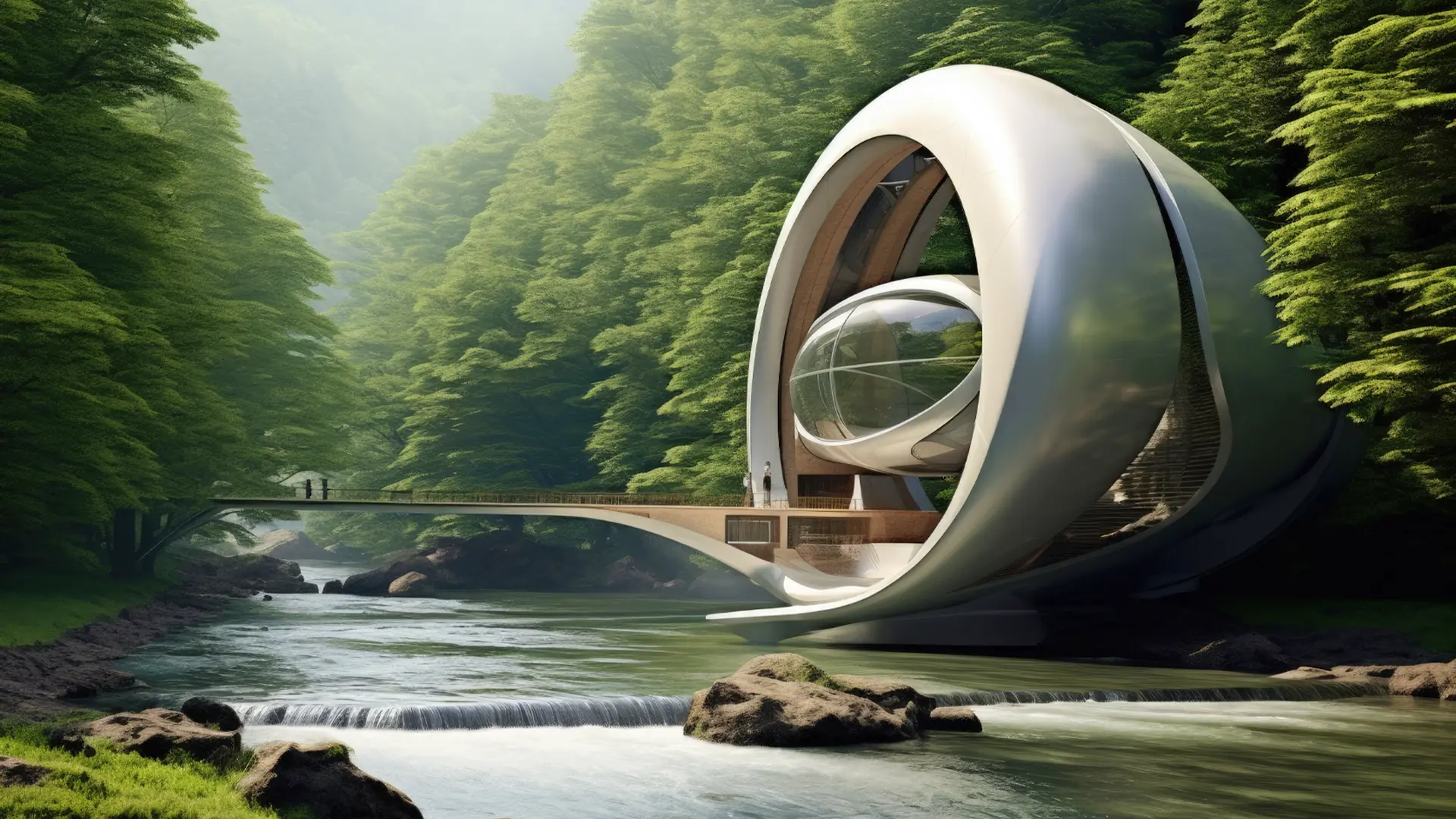
Biophilic design is a philosophy that seeks to connect building occupants more closely to nature. This is proven to reduce stress, improve cognitive function, and enhance mood and well-being.
-
More Than Just Plants: It incorporates direct nature (abundant natural light, ventilation, indoor plants, water features), indirect nature (natural materials like wood and stone, nature-inspired colors and forms, and natural imagery), and the design of spaces themselves (prospects for long views, refuges for quiet retreat, and a sense of mystery).
-
Health and Productivity Benefits: Corporations are increasingly adopting biophilic principles in office design because the documented benefits including reduced absenteeism and increased productivity—directly impact the bottom line. Hospitals use it to promote patient healing, and schools use it to improve student focus.
B.3. Resilient and Adaptive Design
In an era of increasing climate volatility, architects must design buildings that can withstand and adapt to extreme weather events, flooding, wildfires, and other environmental shocks.
-
Designing for Disruption: This involves specifying flood-resistant materials, elevating critical mechanical equipment, creating fire-resistant landscapes, and designing for passive survivability—meaning a building can maintain safe conditions for occupants during extended power outages or heatwaves.
-
Adaptive Reuse as Sustainability: One of the most sustainable acts is to not build new at all. The adaptive reuse of existing buildings—transforming old factories into loft apartments, warehouses into offices, or schools into community centers—preserves embodied energy (the energy already expended in their original construction), reduces waste, and maintains cultural heritage.
C. Evolving Materials and Construction Methodologies
The materials we build with and the methods we use to assemble them are undergoing a radical transformation, driven by sustainability goals and technological innovation.
C.1. Mass Timber and Engineered Wood Products
The rise of mass timber, particularly Cross-Laminated Timber (CLT), is one of the biggest stories in construction materials. CLT involves layering sheets of lumber at right angles and bonding them with structural adhesives to form large, strong, solid panels.
-
A Sustainable Alternative: Wood is a renewable resource that sequesters carbon, making it a powerful tool for reducing a building’s embodied carbon compared to carbon-intensive concrete and steel.
-
Speed and Precision: Mass timber components are prefabricated off-site to exact digital specifications, leading to incredibly fast, precise, and quiet on-site assembly. This reduces construction timelines and waste significantly.
-
Building Code Acceptance: Major updates to international building codes (like the IBC) now permit tall wood buildings, leading to a surge of innovative wooden skyscrapers worldwide.
C.2. Prefabrication and Modular Construction
The shift towards off-site manufacturing is accelerating. Walls, floors, and even entire rooms or modules are constructed in controlled factory environments before being transported to the site for assembly.
-
Unparalleled Quality and Efficiency: Factory conditions eliminate weather delays, allow for stricter quality control, and drastically reduce material waste. The parallel processes of site work and module fabrication can cut project schedules by 30-50%.
-
Addressing Labor Shortages: Prefabrication requires less skilled labor on-site and can help mitigate the chronic skilled labor shortages facing the construction industry.
C.3. Innovative and Smart Materials
Material science is delivering a new generation of high-performance products:
-
Self-Healing Concrete: Embedded with bacteria that produce limestone when exposed to water and air, effectively sealing micro-cracks that form over time, greatly extending the material’s lifespan.
-
Photocatalytic Coatings: Surfaces treated with titanium dioxide can break down air pollutants (like NOx gases) when exposed to light, effectively allowing a building facade to clean the surrounding air.
-
Smart Glass: Electrochromic glass can change its tint on command, dynamically controlling solar heat gain and glare to optimize energy efficiency and occupant comfort throughout the day.
D. The Changing Business of Architecture
The industry’s economic and operational models are adapting to these new technological and environmental realities.
D.1. The Rise of Integrated Project Delivery (IPD)
IPD is a project delivery method that aligns the interests of the owner, architect, and builder by sharing risk and reward. All key stakeholders are brought into the project early, collaborating from design through construction based on a shared model and shared goals. This fosters true teamwork, innovation, and a focus on project-wide best outcomes rather than individual profit protection.
D.2. Navigating Global Supply Chain Disruptions
Recent global events have exposed the fragility of international supply chains. Architects are now having to design with more flexibility, specifying alternative materials, and working with clients to make decisions much earlier to secure long-lead items and avoid project delays and budget overruns.
D.3. The Focus on Diversity, Equity, and Inclusion (DEI)
The architecture industry has historically lacked diversity. There is now a concerted effort within firms and professional organizations to promote equitable hiring practices, create more inclusive work environments, and support the advancement of underrepresented groups. This is not just a social imperative; diverse teams have been proven to be more innovative and better at designing for a diverse user base.
Conclusion: The Future is Integrated and Responsible
The trajectory of the architecture industry is clear: it is moving towards a more integrated, digital, and profoundly responsible future. The architect’s role is expanding from that of a sole form-giver to that of a master integrator synthesizing data, technology, environmental science, and human wellness into built environments that are not only beautiful but also performative, resilient, and restorative. Staying abreast of these trends is no longer optional; it is the very foundation of practicing relevant and impactful architecture in the modern world. Those who embrace these changes will lead the charge in designing a better, more sustainable, and more human-centered future for all.